The Truth About the Sirui Svm 145P Monopod: Pros, Cons, and Verdict
Category: Cameras
Introduction
The Sirui Svm 145P monopod occupies a middle ground for photographers and videographers who need more stability than handholding but less bulk than a tripod. Monopods are common tools for sports, wildlife, event, and travel photography—situations where mobility matters and a full tripod is impractical. This review looks closely at the Sirui Svm 145P: how it performs in real-world use, what buyers typically care about, and whether it is a sensible buy for different shooting styles.
Overview and Who This Monopod Is For
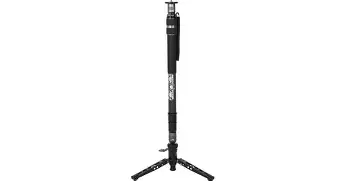
The Sirui Svm 145P is aimed at enthusiasts and prosumers who value a compact, robust monopod for on-the-go work. It is intended to be functional for stills and video, supporting heavier mirrorless and DSLR setups as well as lighter cinema rigs when paired with an appropriate head. Typical buyers include travel photographers needing a lightweight support for long lenses, wedding and event shooters who want quick repositioning between shots, and hybrid shooters who want to reduce fatigue during long handheld sessions.
Detailed Product Analysis
In evaluating a monopod, several practical attributes matter: build quality and materials, stability and load capacity, height range and portability, head compatibility and mounting, locking mechanism, and ergonomics. The Sirui Svm 145P will be assessed on each of these areas with reference to real-world use.
Build Quality and Materials
Build quality dictates how the monopod behaves over time. The Svm 145P typically uses aluminum alloy for durability and cost-effectiveness, and finishes and machining matter for abrasion resistance in regular field use. Photographers who travel often will notice wear in finish and the resilience of joints. A well-made monopod will show tight tolerances on the leg sections and a smooth finish on locking collars or twist locks. The Svm 145P aims to strike a balance between ruggedness and weight; it is not a full-carbon high-end travel model but is still designed for repeated professional use.
Stability and Load Capacity
Load capacity is critical for those mounting heavy telephoto lenses or video heads. In practice, the stability delivered by a monopod reflects both the rated load and how the top plate and locking system resist twist and flex. For the Sirui Svm 145P, users can expect stability suitable for most mirrorless and DSLR bodies with medium telephoto lenses. For very heavy long lenses or heavier cinema rigs, a heavier-duty monopod or a tripod is a safer choice. Additionally, the monopod’s rubber or removable spike foot plays a role when shooting on different surfaces—pavement, grass, or soft dirt.
Height Range and Portability
Monopods are valued for portability. The convenience of a monopod comes from how compact it folds and how light it is to carry for extended periods. The Svm 145P folds down compactly, making it convenient for travel and fast transitions during events. For photographers who shoot all day—weddings, field sports, wildlife—the balance between maximum working height and folded length matters a lot. The Svm 145P tends to offer a practical working height for most users while remaining small enough to carry in a suitcase or side strap on a backpack.
Locking Mechanism and Head Compatibility
Locking systems (twist locks, flip locks, or a combination) determine speed and confidence when extending or retracting the monopod. The Svm 145P generally favors a locking design that blends speed with security, making it suitable for reactive shooting environments. Head compatibility is another important factor: many shooters prefer using a monopod with either a ball head or a fluid head, depending on stills or video. A monopod that accepts standard head mounting threads and includes an adapter or removable top plate simplifies swapping heads between tripod and monopod use.
Ergonomics and Handling
Comfort during long shoots is often overlooked. Foam grips, wrist straps, and the weight distribution when carrying the monopod are key. The Svm 145P typically includes a comfortable grip area and a wrist strap, reducing fatigue during lengthy assignments or long hikes. Also important is how the monopod feels when bracing against a body or a knee—small details like the diameter of the top section and the feel of the grip influence shooting comfort and stability.
Looking for the best Cameras & Photography deals on Amazon?
View Offers →Real-World Use Cases
Different photographic disciplines place different demands on support gear. Here are practical scenarios where the Sirui Svm 145P is commonly applied:
- Sports Photography: Provides quick lateral movement and the ability to track action without setting up a tripod in crowded sidelines—good for regional sports where long panning shots are frequent.
- Wildlife and Birding: Useful for stabilizing medium telephotos while maintaining mobility in the field. Its compact folded length is beneficial on hikes.
- Wedding and Event Photography: Allows rapid transitions between wide environmental shots and tighter telephoto images; easier to move through crowds than a tripod.
- Travel and Street Photography: Supports occasional low-light shooting and long-exposure handheld substitute shots without adding much bulk to luggage.
- Video and Vlogging: When paired with a fluid head, a monopod offers smooth tilts for run-and-gun setups and reduces shake compared to pure handheld shots.
Pros & Cons
Pros
- Lightweight and portable—easy to carry for travel and events
- Good balance of stability for mirrorless and mid-size DSLR setups
- Quick deployment—locks and sections enable fast height changes
- Sturdy construction for regular field use
- Ergonomic grip and wrist strap improve handling during long shoots
Cons
- Not a substitute for a tripod for long-exposure or studio work that requires full three-point stability
- May not support very heavy telephoto lenses or large cinema heads with the same confidence as professional heavy-duty monopods
- Some users prefer carbon-fiber for further weight savings and vibration damping
- Rubber feet can limit traction on soft or muddy terrain unless replaced with a spike
Comparison
The following table compares the Sirui Svm 145P to a typical mid-range aluminum monopod and a compact carbon-fiber travel monopod. This is meant to help buyers understand where the Svm 145P sits relative to common alternatives. Specific model numbers are not shown so the comparison remains general and focused on attributes buyers care about.
| Feature | Sirui Svm 145P | Typical Mid-Range Aluminum Monopod | Compact Carbon-Fiber Travel Monopod |
|---|---|---|---|
| Primary use | All-purpose, travel, events | Studio and field work where cost matters | Travel, ultralight hiking, mirrorless systems |
| Material | Aluminum alloy (durable) | Aluminum (heavier) | Carbon fiber (lighter, more vibration damping) |
| Portability | High—compact folded length | Moderate—bulkier folded | Very high—lightweight and compact |
| Stability / Load | Good for mirrorless and mid-sized DSLRs | Good—can be rated for heavier loads | Good—but check rating for heavy telephotos |
| Locking System | Fast locks designed for quick operation | Varies—some use flip locks | Often twist locks for reduced snagging |
| Price Range | Mid-range | Lower-mid | Mid to high depending on carbon quality |
Buying Guide: What to Look For
When considering the Sirui Svm 145P or any monopod, buyers should prioritize features that match their shooting style. The questions below help determine whether a monopod is the right tool and which features to prioritize.
1. What camera and lens will be used?
Large, heavy telephoto lenses need higher load ratings and stiffer columns. If shooting with a heavy DSLR and a l…2. How important is portability?
Travel photographers should prioritize folded length and weight—compact monopods fit inside luggage or clip to a backpack. If the Sirui Svm 145P’s folded size fits carry constraints and feels comfortable to carry all day, it is a strong candidate.
3. What locking mechanism is preferable?
Flip locks are fast and intuitive, but can snag and wear in dense environments. Twist locks are slimmer and less likely to catch on gear but can be slower to operate with gloves. Consider which ergonomic style will be used most in the field.
4. Is head compatibility necessary?
Consider whether the monopod will be used with a ball head, fluid head, or directly with the camera. Standard mounting thread compatibility (and included adapters) simplifies switching heads. If frequent head changes occur, test how easily the top plate or screw interfaces with existing tripod heads.
5. Terrain and feet options
Rubber feet are ideal for hard surfaces, while a removable spike improves traction on soft ground. Check whether the monopod includes a replaceable foot or a telescoping base that supports different surfaces.
Find top-rated Cameras & Photography products at great prices.
Shop Amazon →6. Ergonomic features and extras
Foam grips, wrist straps, quick-release collars, and built-in bubble levels are small features that improve workflow. For video, a monopod with foreground tilt and a fluid head option increases creative control. Consider warranty and service — reputable brands typically offer better after-sales support.
Maintenance and Longevity Tips
To extend the life of a monopod like the Sirui Svm 145P, regular maintenance is recommended. Keep the leg sections clean and free of grit, tighten locks before heavy use, and store the monopod dry to avoid corrosion. If the monopod uses removable rubber feet or integrated spikes, rinse off mud and re-lubricate any metal threads with a small amount of appropriate lubricant. When traveling, pack the monopod with protection to prevent dents to the leg sections.
Final Verdict
The Sirui Svm 145P is a pragmatic choice for photographers who need a reliable, portable support without stepping up to a heavy-duty professional monopod. It suits travel, event, and many wildlife scenarios where mobility and quick setup are essential. It also adapts well to video use when paired with a suitable fluid head.
However, it is not a universal solution. Buyers with the heaviest telephoto lenses or those requiring the absolute lightest carry weight may prefer a specialized heavy-duty monopod or a high-end carbon-fiber travel model, respectively. Likewise, anyone whose work demands tripod-level stability for long exposures or precise studio work should not depend on a monopod alone.
Overall, for its intended audience—enthusiasts and prosumers seeking a dependable, mid-range monopod—the Sirui Svm 145P offers strong value. It combines portability, practical stability, and ergonomic considerations in a package that stands up to the demands of on-location shooting.
Conclusion
Monopods are tools of compromise: they trade the absolute stability of a tripod for speed and mobility. The Sirui Svm 145P embraces that compromise with a solid build and user-friendly features that match how photographers work in the field. For those whose shooting priorities include quick setup, light carry, and reliable support for everyday lenses and heads, it is a worthy option. As always, prospective buyers should match the product features to the specific use cases—weight, lens size, terrain, and shooting style—before deciding.