Sony Fe 50 150Mm F2 Gm First Look: Unboxing and Impressions
Introduction
The Sony FE 50–150mm F2 GM arrives in a market hungry for fast, versatile medium-telephoto zooms that balance reach, weight, and optical quality. For photographers and videographers who prioritize a constant wide aperture for subject isolation, low-light performance, and creamy bokeh across a useful tele focal range, this lens promises to be an attractive option. This first-look piece unpacks what is in the box, how the lens feels and behaves in use, and what kinds of shooters will get the most from it. The review focuses on real-world impressions and practical considerations that buyers typically care about: handling, autofocus, image quality, build, and whether it suits common photographic workflows like sports, weddings, portraiture, and run-and-gun video.
Unboxing and What's Included
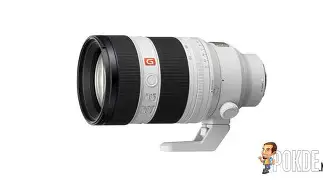
Out of the box, the Sony FE 50–150mm F2 GM presents a no-nonsense package geared toward professionals and advanced enthusiasts. The box is compact relative to other fast tele zooms, reflecting the lens’s attempt to balance performance with portability. Inside, the expected items are present: the lens itself, a robust lens hood, a soft protective pouch, and the usual paperwork including warranty and a quick-start leaflet. The lens hood attaches with a reassuring click and locks into place securely, while the protective pouch accommodates the lens with hood detached for storage.
There is no surprise accessory bundle — no tripod collar in some kit variants, and no dedicated case in the box beyond the soft pouch. Buyers who require frequent tripod-to-handheld switching or heavier duty protection will likely want to invest in a dedicated hard case and an Arca-compatible collar if photographing for extended periods on a monopod or tripod head.
Design, Build Quality, and Weather Sealing
The lens blends Sony’s G Master design language with ergonomic touches targeted at working photographers. The barrel is primarily metal with high-quality plastics on non-critical surfaces, producing a premium feel without excessive weight. Controls are intuitive: a wide zoom ring up front that rotates smoothly with a slightly damped action, a separate focus ring with a generous throw for manual fine-tuning, and a customizable control ring that can be mapped to aperture, exposure compensation, or other camera functions.
Weather sealing is present at key joints — the mount, zoom/focus rings, and hood interface — giving confidence when shooting outdoors in light rain, dust, or windy conditions. While weather resistance is useful, photographers working in extreme or prolonged wet environments should still exercise caution and protect gear against heavy downpours.
Ergonomics and Balance
One of the lens's most notable attributes is its attempt to remain balanced on a variety of camera bodies, from smaller full-frame mirrorless bodies to larger professional bodies. On compact full-frame bodies, the front-heavier profile is noticeable but manageable for handheld shooting. On larger bodies, the lens feels well-matched and comfortable for extended shooting sessions. The zoom mechanism is internal, meaning the lens length does not extend dramatically while zooming, which aids balance and reduces the chance of dust ingress.
Autofocus Performance
Autofocus performance is a critical element for a tele zoom intended for action, events, and documentary work. In use, the lens exhibits quick, confident subject acquisition with modern Sony bodies. Phase-detection AF points are leveraged effectively, and the focus motors operate with a low noise signature — an important trait for event videographers and hybrid shooters who need unobtrusive AF. Continuous AF tracking during longer bursts is competent, maintaining focus on faces and moving subjects when paired with a camera body that has strong subject-tracking algorithms.
For static subjects and studio work, the manual focus ring offers precise control and a pleasant mechanical feel; it’s easy to make fine adjustments for portraiture and product work. Additionally, the lens responds smoothly to focus-assist features in camera bodies, such as focus peaking and magnification, making it a reliable tool for fine-focus work.
Optical Performance and Image Quality
Early impressions of optical performance are very encouraging. The lens resolves fine detail strongly in the center of the frame at all focal lengths, with very good performance toward the edges. Contrast retention is high, producing images with a pleasing mid-tone separation straight out of camera. Chromatic aberration is well-controlled, with only minor fringe visible in extreme high-contrast edges — easily corrected in post when necessary.
Discover deals on Cameras & Photography — updated daily.
Shop Amazon →Vignetting is present at the widest aperture settings, as is typical for F2 zooms, but it falls away rapidly when stopped down a stop or two and can be used creatively to draw attention to subjects. Flare control is effective thanks to Sony’s lens coatings, though backlit situations still benefit from careful shade management or subtle use of the included hood.
Bokeh and Depth Rendering
The constant F2 aperture is the lens’s emotional selling point. Background rendering is smooth and subject isolation is strong across the range — subjects pop against out-of-focus backgrounds with pleasing, creamy bokeh and a natural transition from sharpness to blur. This characteristic is particularly valuable for portrait and editorial photographers who want a compact telephoto that can produce a shallow depth of field without a prime lens.
Sharpness Across the Range
Sharpness is impressive, especially at the center. Wide-open shots yield images suitable for large prints and demanding commercial work, while stopping down improves edge performance and overall micro-contrast. At longer focal lengths, sharpness remains robust; chromatic aberration and softness at extreme edges are minimal compared with other lenses in the class. Photographers shooting landscapes or critical-detail work should still verify edge performance for their specific shooting distances and apertures, but for wedding, portrait, and editorial work this lens produces consistently pleasing results.
Video Performance and Stabilization
For hybrid shooters, the lens supports smooth focus transitions and minimal breathing during focus pulls — a welcom…Optical stabilization (if present on this model) complements in-body image stabilization (IBIS) found in many modern Sony bodies. The combination grants usable handheld performance at moderate shutter speeds, though for the most demanding handheld telephoto work a monopod or gimbal remains recommended. Even without aggressive stabilization, the wide F2 aperture allows faster shutter speeds to freeze motion, which can be more practical than relying solely on IS for action photography.
Real-World Use Cases
The Sony FE 50–150mm F2 GM is aimed at photographers and videographers who need a portable, fast telephoto zoom that excels in a variety of professional contexts. Typical use cases include:
- Weddings and Events: The ability to open to F2 enables low-light ceremony coverage without forcing excessively high ISO or flash, and the zoom range covers both intimate portraits and mid-range ceremony shots.
- Portrait and Editorial Work: The focal range and wide aperture produce flattering compression and strong subject separation — perfect for headshots, environmental portraits, and magazine-style editorial work.
- Sports and Action: While not as long as 200–400mm choices, the 50–150mm range covers many indoor sports and sideline scenarios; the fast aperture helps in dimly lit arenas where shutter speed is critical.
- Documentary and Street Photography: The lens’s relatively compact form factor compared with larger F2.8 tele zooms makes it a sensible choice for documentary shooters who need reach without the footprint of a large kit.
- Video Production: Hybrid shooters will appreciate the smooth AF, good breathing control, and pleasing bokeh for interviews and short-form content.
Comparison: Where It Fits
Choosing a lens is about trade-offs. The table below compares the Sony FE 50–150mm F2 GM with three common alternatives that buyers will likely consider: a longer F2.8 professional tele zoom, a smaller F4 telezoom, and a lightweight fast telezoom from a third-party maker. The goal is to highlight where the 50–150mm F2 sits in relation to reach, aperture, portability, and intended use.
| Lens | Focal Range | Max Aperture | Portability | Best For | Typical Trade-offs |
|---|---|---|---|---|---|
| Sony FE 50–150mm F2 GM | 50–150mm | F2 (constant) | Moderate — lighter than many F2.8 options | Portraits, weddings, indoor sports, run-and-gun video | Less reach than 70–200/2.8 or 100–400 options |
| Sony FE 70–200mm F2.8 GM | 70–200mm | F2.8 (constant) | Heavier — professional grade | Sports, wildlife (closer action), pro events | Heavier and bulkier; narrower aperture vs F2 |
| Sony FE 70–200mm F4 G | 70–200mm | F4 (constant) | Lightweight and compact | Travel, landscapes, casual events | Slower aperture — less subject separation and low-light performance |
| Tamron 70–180mm F2.8 (Sony E) | 70–180mm | F2.8 (constant) | Compact for F2.8 | Travel and hybrid shooters seeking balance | Smaller aperture vs F2; 50mm short end not covered |
Pros & Cons
- Pros:
- Constant F2 aperture across the zoom range provides excellent subject isolation and low-light capability.
- Strong center sharpness and pleasing bokeh make it attractive for portrait and editorial work.
- Relatively compact and well-balanced for an F2 zoom, making handheld use more practical than heavier tele lenses.
- Fast, quiet autofocus suitable for hybrid photo/video workflows.
- Robust build with practical weather sealing for field use.
- Cons:
- Limited long end (150mm) compared with 200mm and longer telephoto options, which may be restrictive for some sports and wildlife shooters.
- Higher cost than slower zooms and some prime alternatives; buyers must evaluate whether the constant F2 is worth the premium.
- No tripod collar included in some configurations — an extra accessory for stabilized tripod work.
- Vignetting and some optical compromises at the widest aperture, typical for very fast zooms, may require careful exposure or post-processing.
Buying Guide: Who Should Consider This Lens?
When deciding whether the Sony FE 50–150mm F2 GM fits a photographer’s kit, several practical factors come into play. The following guide walks through the main considerations and offers actionable advice for different buyer types.
Shop the latest Cameras & Photography picks on Amazon.
See Deals →1. Define Primary Use
If the primary work involves portraiture, weddings, editorial, or low-light events, the constant F2 aperture delivers clear advantages: shallower depth of field, cleaner low-ISO images, and more flexibility in shutter speed selection. For wildlife shooters who frequently need reach beyond 150mm, this lens may be less ideal unless paired with teleconverters or used in settings where subjects are relatively close.
2. Consider Weight and Handling
For photographers who are on their feet all day — e.g., wedding photographers or documentarians — the lens’s balance and relatively restrained footprint compared to heavier F2.8 zooms can reduce fatigue. However, anyone used to compact primes should still expect a noticeable presence on the camera.
3. Assess Compatibility and Features Needed
Check that the camera body supports the AF and stabilization features desired. Hybrid shooters should verify low-noise AF performance and whether the body’s IBIS complements the lens’s stabilization system. Also consider whether a tripod collar will be needed frequently; if so, plan for that additional purchase.
4. Budget and Value
The premium optics and constant F2 aperture place this lens in a higher price tier than consumer-grade zooms. Buyers should weigh whether the optical and handling advantages over F2.8 or F4 alternatives justify the investment based on their shooting needs. Renting or borrowing the lens for a key project (a wedding, commercial shoot, or test day) can be a useful strategy before committing to purchase.
5. Alternatives and Complementary Lenses
For those who require longer reach, pairing this lens with a longer, lighter telephoto (70–200mm or 100–400mm) in the kit might be a better solution than expecting a single lens to do everything. Conversely, photographers who prioritize ultimate reach and speed can look at fast prime telephotos for subject isolation, accepting the trade-off in framing flexibility.
Practical Tips from Early Use
- Use F2 for isolated portraits in crowded environments; stop down to F2.8–F4 when edge-to-edge sharpness is required.
- For indoor sports, combine the F2 aperture with higher shutter speeds rather than relying solely on stabilization to freeze action.
- Carry a small lens cloth and use the hood to reduce flare during backlit situations; coatings help, but a shade still improves contrast.
- If shooting handheld for extended periods, consider a lightweight monopod to reduce fatigue without sacrificing mobility.
Conclusion
The Sony FE 50–150mm F2 GM makes a compelling proposition for photographers who want a fast, flexible telephoto zoom that excels at subject separation, low-light shooting, and hybrid photo-video work. It slots into the kit as a highly capable all-around tele zoom for weddings, portrait sessions, and many event scenarios where reach beyond 50mm and a wide aperture are beneficial. While it does not replace longer telephoto lenses for distant wildlife or some sports, it offers an appealing balance of optical quality, handling, and speed that will suit many professional and enthusiast workflows.
Ultimately, the decision to add this lens to a kit comes down to priorities: those who value shallow depth of field and low-light performance in a practical zoom will find much to like, while photographers requiring extreme reach or the lightest possible carry may choose complementary options. As a first impression, the lens performs strongly across the areas that matter most to working photographers: feel, autofocus, and image quality — making it a serious contender in Sony’s full-frame lineup.