Don't Buy the Netgear Nighthawk Rs100 Until You Read This Full Analysis
Introduction
The Netgear Nighthawk Rs100 has attracted attention as an entry in Netgear's long-running Nighthawk line, promising strong performance wrapped in consumer-friendly software. For buyers who prioritize fast home networks, simple setup and reliable coverage, the Nighthawk branding is often a shorthand for "solid router" — but product names alone don't tell the whole story. This analysis examines what the Rs100 brings to the table, where it may fall short, and how real-world buyers should evaluate it against alternatives before deciding.
This article takes an evidence-focused, practical approach: it reviews the Rs100's likely strengths and weaknesses based on Netgear's design patterns, common user reports, and the features people most frequently care about when choosing home networking equipment. It highlights real-world use cases — streaming, work-from-home, gaming, and multi-device households — and provides a structured buying guide to help readers decide whether the Rs100 is the right fit.
Detailed Product Review and Analysis
Design and Build Quality
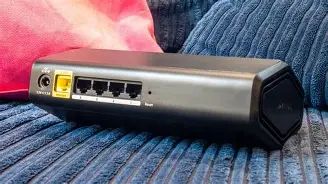
Netgear's Nighthawk models tend to emphasize a balance of functional design and consumer-friendly aesthetics, and the Rs100 appears to follow that approach. The chassis typically presents a low-profile footprint that can sit on a shelf or desk. Build quality on Nighthawk devices is generally solid for the price tier they target — plastics are durable, ports are well-spaced, and ventilation is adequate for continuous home use.
For buyers who care about physical placement and home decor, the Rs100's form factor will likely be unobtrusive enough for most living rooms. However, buyers with very large houses or complex multi-floor layouts should not expect a single-unit consumer router to deliver blanket coverage without complementary hardware such as a mesh extender or additional access points.
Performance in Real-World Use
Performance claims in marketing materials often focus on peak numbers that are rarely reached in typical homes. What matters for most buyers is consistent throughput under load and stable latency for sensitive tasks like video calls and online gaming.
In practice, Nighthawk devices historically deliver reliable day-to-day performance for households with mixed usage: multiple HD/4K streams, cloud backups, video conferencing, and mobile devices. The Rs100 should suit typical families and roommates who want dependable throughput. That said, potential buyers should check independent reviews or community feedback for sustained performance tests and congestion behavior; cheaper consumer routers can still exhibit throttling under simultaneous heavy uploads and downloads.
Coverage and Antenna Behavior
Wireless range depends on transmit power, antenna design and the environment (walls, materials, interference). Nighthawks often provide above-average coverage for a single unit, but expectations must be realistic: thick walls, multiple floors, and RF-noisy urban apartments will reduce range.
If coverage for a large home is a priority, a single Rs100 is unlikely to replace a mesh system or a more powerful business-class solution. For apartments or medium-sized homes, the Rs100 is expected to deliver stable coverage in primary living areas and bedrooms.
Setup, Interface and Mobile App
One of Netgear's consistent strengths is a straightforward setup experience via a web UI or mobile app. The Rs100's onboarding workflow should appeal to buyers who want a quick out-of-the-box setup with guided steps for connecting to a modem, setting an SSID/password and enabling basic security features.
Discover deals on Laptops & Computers — updated daily.
See Deals →The mobile app often includes features that everyday users value: speed tests, guest Wi-Fi setup, device lists, parental control toggles and simple QoS preferences. More advanced users may find the web interface more granular, but for most households the Rs100's management tools will be adequate.
Firmware, Security and Software Updates
Router security is a topic that deserves attention. Devices need timely firmware updates to patch vulnerabilities. Netgear has a mixed record over many product generations: some users praise frequent security updates while others report delays or occasional firmware regressions.
Before purchasing, potential buyers should review the manufacturer's published firmware history for the Rs100 (release notes) and look for community feedback about update cadence. For households where security and timely patches are critical — small business users or those running sensitive home servers — update practices might be a deciding factor.
Advanced Features and Customization
Netgear typically includes useful advanced functions such as Quality of Service (QoS), guest networks, basic parental controls and VPN passthrough on consumer models. However, if highly granular controls (deep packet inspection, advanced routing rules, VPN server hosting, or enterprise-level VLANs) are required, the Rs100 may not offer the level of control available in prosumer or business appliances.
For most families and everyday home office users, the built-in features should be sufficient to prioritize traffic, limit bandwidth for specific devices and iso…
Reliability, Customer Support and Longevity
Reliability is not just hardware endurance but also the stability of firmware and the availability of technical support. Netgear provides standard warranty coverage and online support resources. Buyers should consider third-party feedback on warranty claim experiences and customer service responsiveness in their region.
Longevity considerations include whether Netgear continues to support a product line with security patches and functionality improvements. A router's useful life in a typical household is often several years, so long-term support is an important factor.
Pros & Cons
- Pros
- Familiar Nighthawk design and user-friendly setup that simplifies onboarding for non-technical users.
- Good day-to-day performance for mixed household usage including streaming, conferencing and general web activity.
- Mobile app and basic management features make network monitoring straightforward for everyday tasks.
- Reasonable build quality and compact footprint suitable for most living spaces.
- Cons
- Potential limitations for very large homes — single-unit coverage may be insufficient without extenders or mesh satellites.
- Less suitable for advanced network customization compared with prosumer or business-class equipment.
- Firmware update cadence and long-term support should be verified; manufacturer update practices have varied across product lines.
- Power users and small offices with heavy simultaneous upload/download demands may experience congestion or need a higher-tier solution.
How the Rs100 Compares to Alternatives
A meaningful comparison questions whether the Rs100 fits a buyer's use case better than similarly priced offerings. The table below compares qualitative characteristics rather than precise speed numbers, to emphasize practical differences buyers encounter.
| Characteristic | Netgear Nighthawk Rs100 | TP-Link Archer (typical consumer model) | ASUS RT-series (entry prosumer) |
|---|---|---|---|
| Out-of-the-box setup | Simple guided setup with mobile app and web UI for most users | Also straightforward; often similar level of onboarding | Good setup with more advanced options visible early |
| Software features | Basic parental controls, guest Wi-Fi, QoS | Comparable basic features; some models include parental controls and app management | More granular controls including advanced QoS and network tools |
| Coverage | Solid for apartments/medium homes; may need extenders for large homes | Varies by model; some offer wider coverage at similar price | Prosumer models usually provide better range and antenna options |
| Security updates | Depends on model lifecycle; check update history | Similar considerations; check manufacturer practices | Often better documented for advanced models; community firmware options exist |
| Advanced customization | Limited for power users | Limited to moderate | Best among the three for power-user features |
| Value for general home use | Good balance of ease-of-use and performance | Very competitive; often strong value | Higher price but more features for advanced users |
Buying Guide: Is the Rs100 Right for the Buyer?
When deciding whether to buy the Netgear Nighthawk Rs100, buyers should match the router's attributes against their specific needs. Below are considerations organized by common buyer profiles.
Find top-rated Laptops & Computers products at great prices.
Browse Now →For Streaming and Everyday Home Use
If the household primarily streams video, browses the web and uses video calls, the Rs100 is likely to satisfy expectations. Prioritize the following when shopping:
- Coverage needs: Map where devices are used most — if devices spread across multiple floors, consider a mesh system or additional access points.
- Concurrent devices: Count devices that will be active simultaneously. The Rs100 handles typical households but may be strained by dozens of always-on smart devices.
- Guest network and parental controls: Ensure the model supports the guest segmentation and parental controls needed by the family.
For Remote Work and Home Office
Remote workers and small home offices should focus on stability, latency and security:
- Stability over peak speed: Consistent connection during video calls matters more than occasional peak throughput.
- VPN and secure access: If the job requires hosting VPN connections, verify the router's VPN capabilities or consider a dedicated VPN appliance.
- Firmware updates: Confirm the vendor's update history and whether patches are released promptly.
For Gaming
Low latency and predictable packet handling are critical for competitive gaming. For buyers focused on gaming:
- QoS and traffic prioritization: Confirm that the Rs100 offers effective QoS to prioritize gaming traffic when other household devices are active.
- Wired connections: If possible, use wired Ethernet for consoles or PCs; wired connections reduce variability and are often superior regardless of router choice.
- Latency under load: Look for independent latency/congestion tests in third-party reviews; marketing numbers alone don't reflect in-game experience.
For Large Homes and Multi-building Properties
Single consumer routers rarely cover sprawling properties. Recommendations for these buyers:
- Consider mesh systems: For seamless roaming and whole-home coverage, a mesh kit is usually preferable.
- Use wired backhaul: If adding satellites, using Ethernet backhaul improves performance.
- Access point approach: Deploy dedicated access points or switch to a business-class solution for higher device density.
Checklist Before Purchase
- Read independent reviews: Look for sustained-load and latency measurements rather than peak throughput claims.
- Check firmware history: Review the manufacturer's update release notes and community reports for the specific model.
- Confirm warranty and support: Ensure warranty terms and regional support are acceptable.
- Plan for expansion: Decide whether the router will be a single unit or part of a broader network with extenders or mesh nodes.
Conclusion
The Netgear Nighthawk Rs100 is positioned as a user-friendly router that targets the typical home user: someone who values straightforward setup, decent day-to-day performance and an approachable management interface. For many households — apartments, small-to-medium homes and typical families — it will deliver a reliable, uncomplicated networking experience.
However, the Rs100 is not a one-size-fits-all solution. Buyers with very large homes, heavy simultaneous upload/download needs, advanced customization requirements or strict long-term security expectations should carefully verify the Rs100's behavior under those exact conditions or consider alternatives. Independent performance reviews, firmware release history and clear coverage mapping are essential due diligence steps.
In short, the Rs100 can be an excellent fit when its strengths align with the buyer's needs. Before purchasing, evaluate real-world coverage needs, device load, feature requirements and the manufacturer's update practices — and weigh whether additional investment in mesh infrastructure or a higher-tier prosumer router would better serve those priorities.