Biggest Zowie U2 Buying Mistakes (And How to Avoid Them)
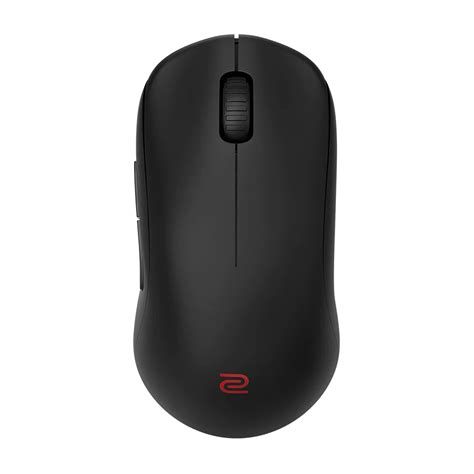
The Zowie U2 has earned a reputation among users for its straightforward design and predictable performance. As a compact cloth mouse pad aimed at players and professionals who prefer a controllable surface, it appeals to those who value consistency over flashy features. Yet several common mistakes persist among buyers that lead to disappointment after purchase. This article explains those pitfalls, provides a clear analysis of the U2’s strengths and limitations, offers a comparison against alternate pad types, and delivers a practical buying guide so the right choice is made the first time.
Introduction: Who the Zowie U2 is for
The Zowie U2 is positioned for people who prioritize precision and a minimal desk footprint. It typically attracts first-person shooter players who use low sensitivity settings, streamers with limited desk space, and office users who want a tidy, no-nonsense pad. The pad’s compact footprint makes it ideal for claw- or fingertip-grip users who prefer wrist and arm movement within a constrained area. However, that same compactness can be a drawback for anyone using wide sweeping arm movements or multi-monitor setups where large cursor travel is required.
Detailed Product Review and Analysis
Surface and texture: The Zowie U2 is built around a cloth surface engineered for a balance between glide and control. Unlike very slick or very rough pads, this surface provides a consistent baseline friction that helps with micro-adjustments needed in precision aiming. Users often comment that it requires little break-in time — initial feel is close to how it performs long-term, which reduces surprises.
Thickness and edge construction: The U2 typically features a thin profile, which brings the user’s hand and mouse closer to the desk. This can enhance stability for controlled movements and reduce wrist strain for some. Because it is thin, it is also more portable and rolls easily for transport. Buyers should be mindful that thinner pads transmit desk imperfections more readily than thicker counterparts, potentially introducing minor tactile feedback depending on the desk surface.
Base and stability: A non-slip rubber base is standard on pads in this category and is meant to prevent slippage during intense sessions. In real-world conditions, performance depends on how clean the desk is; dust, sticky residue, and textured laminates can diminish grip. Users who frequently reposition their pad will appreciate a base that regains traction after cleaning, while those who leave it in one place will rarely notice any difference.
Durability and maintenance: Cloth pads wear in predictable ways—surface fibers compress and slightly smooth over time. The U2’s materials are chosen to minimize fraying and to keep edge integrity during regular use. Washing a cloth pad can revive glide for many users, but aggressive scrubbing or harsh detergents may shorten its life. The user should follow gentle hand-wash procedures and allow complete air drying to avoid odor buildup or adhesives degrading.
Sensor compatibility and tracking: Modern mice with optical sensors track well on cloth surfaces like the U2. Most mainstream sensors are supported with excellent tracking fidelity, though users of very high-DPI, extremely high polling-rate setups should test pairing to confirm the preferred glide-control balance. For users who depend on minute tracking performance for competitive play, pairing the pad with the specific mouse and sensor combination before committing is prudent where possible.
Aesthetic and footprint: The U2’s design tends toward minimalism—muted colors, restrained logos, and a compact rectangle. This appeals to users seeking an uncluttered desk. The trade-off is that it offers less room for sweeping arm movements and fewer options for integrated wrist rests or elaborate RGB treatments that might otherwise complement a themed setup.
Real-world use cases
- Competitive FPS players with low sensitivity: The U2’s consistent control benefits pinpoint aiming and predictable muscle memory in short-to-medium arm travels.
- LAN attendees and portable setups: Its thin, lightweight nature makes it easy to roll up and transport without adding bulk to a bag.
- Office and creative professionals: Users who need precision cursor movement for design work or spreadsheets can appreciate the controlled glide, provided they don’t require massive cursor travel.
- Minimalist desktops: When desk real estate is limited, the U2 offers utility without dominating available space.
Common Buying Mistakes and How to Avoid Them
Many buyers make repeatable mistakes when choosing the Zowie U2; most stem from misunderstanding the product’s intended use. Here are the most frequent errors and practical ways to avoid each.
Mistake 1: Choosing size before playstyle
Problem: Buyers often pick the U2 because it looks neat or because their mouse cable fits the small area, without considering playstyle. The result is hitting the pad’s edge during large arm swings.
Shop the latest Electronics picks on Amazon.
Browse Now →How to avoid: Match pad size to habitual movement. If the player relies on full-arm swipes, consider a wider or longer pad. For fingertip/claw grip users, the U2’s compact area may be ideal. Measure the typical in-game 360-degree sweep or observe cursor travel during a session to estimate needed space.
Mistake 2: Over-prioritizing brand over fit
Problem: Some buyers assume the Zowie name guarantees a perfect fit for every setup. Brand recognition helps, but compatibility is personal.
How to avoid: Prioritize functional criteria—surface feel, thickness, and base grip—over brand recognition alone. When possible, test different surfaces in person or buy from a retailer with a reasonable return policy to trial the pad with the actual mouse and desk.
Mistake 3: Ignoring desk surface interaction
Problem: The pad’s behavior depends heavily on the underlying desk. A textured desk can change the effective thickness and stability of a thin pad like the U2.
How to avoid: Inspect and clean the desk surface before installing the pad. If the desk has deep grain or uneven laminate, consider adding a thin, rigid backing…
Mistake 4: Expecting instant perfect glide without break-in or maintenance
Problem: Some expect brand-new glide to exactly match long-term performance. Cloth pads can change subtly after several days of use.
How to avoid: Allow a modest break-in period. If the pad accumulates oils or dust, perform a gentle hand-wash following manufacturer guidance to restore surface consistency. Avoid harsh chemicals and high-heat drying.
Mistake 5: Confusing speed for control
Problem: Buyers sometimes assume a slicker pad is always better because it feels faster. This can reduce fine aiming and control for some players.
How to avoid: Consider playstyle. Users who need micro-adjustments and steady aim may prefer the control-oriented texture of the U2 to very low-friction surfaces. Test both control- and speed-oriented pads if possible before deciding.
Pros & Cons
- Pros:
- Consistent, control-oriented cloth surface suitable for precision tasks
- Thin, portable design that’s easy to roll and transport
- Low-profile feel that brings the mouse closer to the desk
- Minimalist aesthetics that fit most desk setups
- Predictable break-in behavior and straightforward maintenance
- Cons:
- Limited surface area for users who use wide arm movements
- Thinner padding can transmit desk texture on uneven surfaces
- Not the fastest glide compared with slick plastic pads—less suited for speed-oriented playstyles
- Requires occasional cleaning to maintain optimal glide
Comparison Table
| Feature | Zowie U2 (compact cloth) | Generic Large Cloth Pad | Hard Plastic Glidepad |
|---|---|---|---|
| Surface feel | Balanced control and glide | Similar control, more room for movement | Very fast, low friction |
| Size/footprint | Compact, suited to tight desks | Large, suited to full arm swings | Varies; available in large and compact |
| Thickness | Thin—closer mouse feel | Varies—often thicker | Low to medium thickness |
| Portability | High—rolls up easily | Lower—bulkier | Moderate—less flexible |
| Maintenance | Hand wash recommended | Hand wash recommended | Wipe clean with cloth |
| Best for | Precision, limited desk space | Competitive players needing large sweep area | Speed-oriented play, low friction preference |
Buying Guide: How to Choose the Right Pad — Avoid Common Pitfalls
When considering the Zowie U2 or any mouse pad, these decision factors will prevent buyer’s remorse.
Shop the latest Electronics picks on Amazon.
Shop Amazon →1. Understand actual desk space and movement needs
Measure available desk area and note habitual mouse movement during normal use. If a full arm sweep is used frequently, a compact pad will be restrictive. Conversely, if desk space is at a premium, a compact pad avoids clutter and aligns with a minimalist aesthetic.
2. Identify preferred mouse grip and playstyle
Fingertip and claw grip users tend to need less surface area. Palm grip users and those who push for sweeping arm motions benefit from larger surfaces. Choose a pad whose area matches the mouse movement range tied to the chosen grip.
3. Check thickness and desk texture compatibility
If the desk has noticeable texture, a thicker pad or a backing layer can reduce vibration and unwanted feedback. Thinner pads like the U2 offer a low-profile advantage but require a smoother desk for the most consistent feel.
4. Test for sensor compatibility
Where possible, test the pad with the end-user’s mouse sensor. Most modern optical sensors perform well on cloth, but personal preference for glide vs control and sensor-specific quirks mean that an in-person test or a solid return policy are valuable.
5. Consider maintenance and longevity
Cloth pads need periodic cleaning. If the user dislikes maintenance chores, a hard pad that can be wiped clean may be attractive. If a cloth surface is preferred, the buyer should be prepared to hand-wash and fully air-dry the pad occasionally.
6. Evaluate portability needs
Frequent travelers should choose a thin, rollable pad that fits in a bag without altering shape. For a stationary desk, durability and size may take precedence over portability.
7. Read warranty and return policies
A reasonable return window allows real-world testing with the exact mouse and setup. Warranty terms can also signal manufacturer confidence in construction quality.
Practical Tips Before Buying
- Try to test a pad at a physical store or borrow one from a friend with a similar playstyle.
- When buying online, confirm the return policy permits testing; avoid final-sale purchases unless the fit is certain.
- Keep desk and pad surfaces clean—dirt reduces base grip and alters glide.
- Consider buying a slightly larger pad than currently thought necessary; many find comfort in unexpected extra margin.
- Match the pad choice to the primary use case (gaming, productivity, travel), not incidental uses.
Conclusion
The Zowie U2 is a sensible choice for buyers who want a compact, control-oriented cloth mouse pad with a low profile and minimal design. It excels when paired with low-sensitivity FPS playstyles, portable setups, and tidy desktop environments. However, common mistakes—misjudging size needs, overlooking desk compatibility, and conflating surface speed with improved performance—lead many to an unsatisfactory experience. By matching pad dimensions to movement habits, confirming sensor compatibility, considering desk texture, and planning for maintenance, buyers can avoid these mistakes and select a pad that delivers consistent, long-term value.